

Tourism and Hospitality
Saudi Arabia, with its rich history and cultural heritage, is rapidly positioning itself as a global tourism hub. Initiatives like NEOM and the Red Sea Project are driving both domestic and international tourism. The hospitality sector is set for significant growth, with major investments in hotels, resorts, and entertainment facilities. The tourism industry is projected to grow at an average annual rate of 10% through 2025 and aims to contribute 10% of GDP by 2030. The government has invested approximately $3.3 billion in tourism infrastructure, targeting 100 million visitors annually by 2030, up from 40 million today.

Healthcare
Saudi Arabia’s healthcare sector is rapidly expanding, fueled by growing demand for quality services and the government’s focus on public health improvement. The sector covers hospitals, clinics, medical equipment manufacturing, and pharmaceuticals, offering opportunities for foreign investors to establish hospitals,
research institutions, and health tech startups. Aligned with Vision 2030, the sector is experiencing strong economic growth. In 2024, the government allocated
approximately SAR 214 billion (~$57 billion) to health and social development, with a projected 5% annual growth rate through 2027.
Renewable Energy
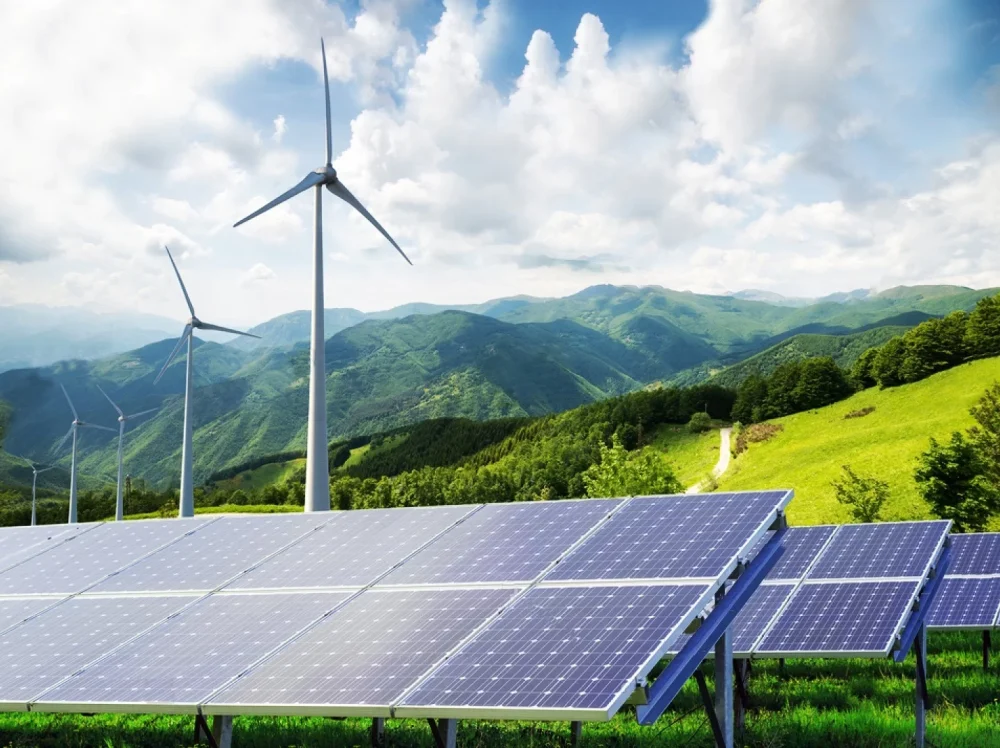
Saudi Arabia is rapidly advancing its renewable energy sector as part of its Vision 2030 goal to reduce carbon
emissions. The Kingdom plans to generate 58.7 GW from solar and 40 GW from wind, targeting a total renewable capacity of 130 GW by 2030. This ambitious expansion creates significant opportunities for businesses in energy generation, technology, and infrastructure development. The market is projected to grow at a CAGR of 23.3%, increasing from 8.33 GW in
2024 to 23.74 GW by 2029. Government policies support this growth, with over 35 solar and wind farms planned by 2030 to attract investments and drive sustainable energy development.

Information Technology
Saudi Arabia’s IT sector is experiencing rapid growth as the Kingdom advances its digital transformation agenda. Key areas of focus include cybersecurity, cloud computing, digital marketing, and smart city initiatives such as NEOM, creating ample opportunities for tech companies, startups, and service providers. Government investments underscore this growth, with over $752 million projected for the IT sector by the end of 2024. Spending on artificial intelligence alone is expected to exceed $720 million in 2024 and reach $1.9
billion by 2027, reflecting an impressive CAGR of 40%, highlighting the Kingdom’s commitment to innovation under Vision 2030.

Logistics and Transportation
Saudi Arabia’s strategic location positions it as a key hub for logistics and transportation. Significant government investments in ports, airports, and road networks are enhancing trade and supply chain efficiency, creating opportunities for businesses in logistics management, freight forwarding, and transportation services. The sector has seen remarkable growth, with a 76% increase in registrations in Q2 2024 and a 48% rise in container handling, totaling 11,928 new commercial registrations. This expansion aligns with Vision 2030, which aims to strengthen the Kingdom’s logistics capabilities and establish it as a leading regional transport hub.
Manufacturing
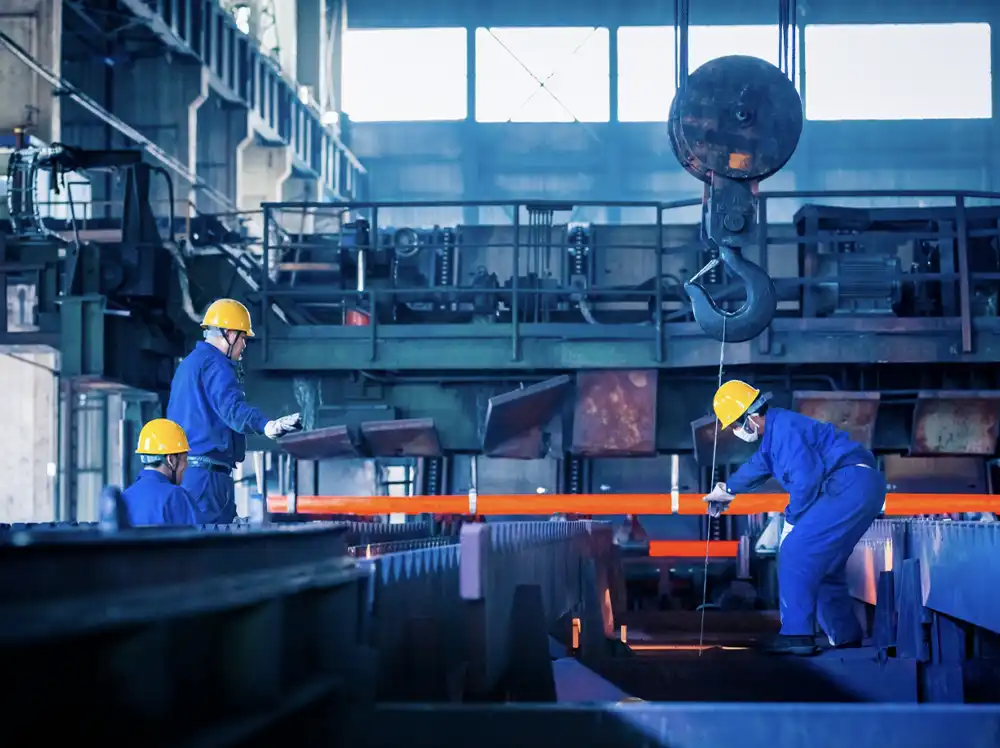
Saudi Arabia is actively promoting local manufacturing across sectors such as food and beverages, textiles, and consumer goods to diversify its economy. Initiatives to boost localization and reduce import dependency are creating a favorable environment for manufacturers and suppliers. Under Vision 2030, the manufacturing sector has seen strong growth. In Q2 2024, GDP from manufacturing
reached SAR 111.7 billion, up from SAR 106.8 billion, contributing around 10% of the Kingdom’s GDP. The sector has maintained a CAGR of 4.5% over the past five years, supported by over $40 billion invested in industrial infrastructure. The long-term goal is to increase non-oil exports from 16% to 50% of total exports by 2030.
Real Estate and Construction
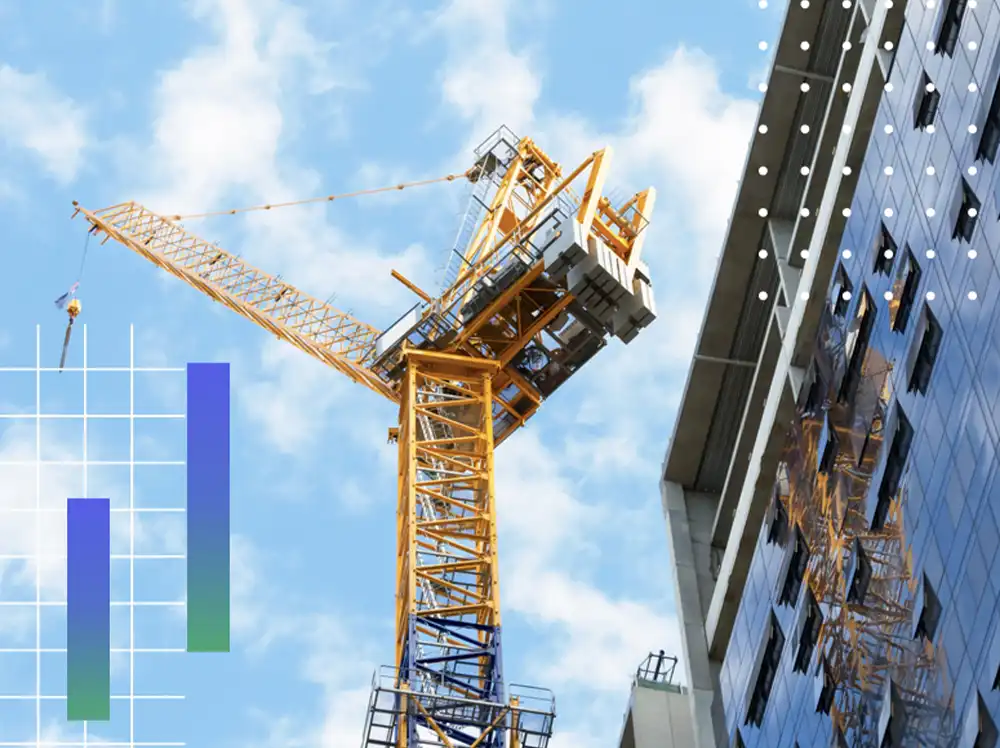
The real estate sector is experiencing significant growth due to increasing population and urbanization. Projects
such as Vision 2030, NEOM, and the Red Sea Project are driving demand for residential, commercial, and mixed-use developments. Opportunities in construction, project management, and real estate investment are on the rise. Saudi Arabia's real estate sector is growing at 5-7% annually, with construction projected to expand by 8-10% over the next five years. The government has allocated $400 billion for infrastructure as part of Vision 2030, and the real estate market is expected to reach $150 billion by 2025. A young population exceeding 35 million drives demand for affordable housing, leading to increased residential construction, with
an aim to raise homeownership from 60% to 70% by 2030.
Agriculture and Food Security
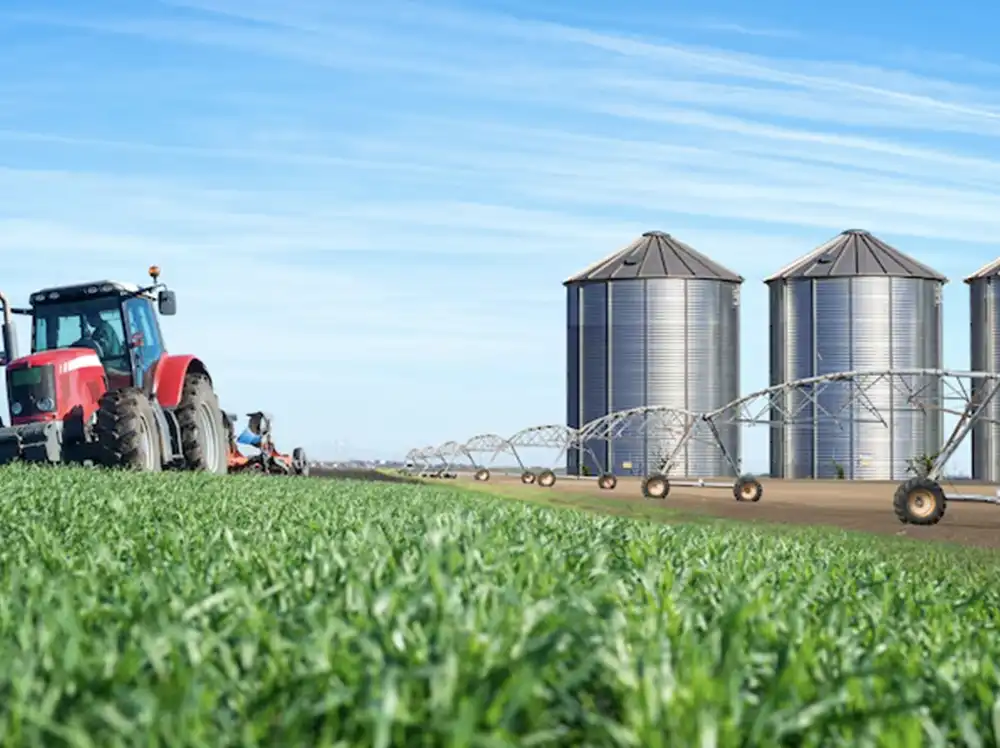
Saudi Arabia is strengthening food security by investing in advanced agricultural technologies and sustainable practices. The government promotes local food production and the adoption of innovative agricultural solutions, offering opportunities for businesses in agribusiness, food processing, and distribution. In 2022, the sector contributed approximately SAR 100 billion (~$26.6 billion) to the national GDP. As part of its
long-term strategy, the Kingdom aims to attract around $20 billion in investments in the food industry by 2035,
enhancing food security and boosting local agricultural production.

Education and Training
Saudi Arabia’s education sector is evolving to enhance quality and accessibility, with strong government investments in vocational training and higher education. This creates opportunities for educational institutions, training providers, and e-learning platforms. In 2023, the education budget reached approximately SAR 224 billion (~$60 billion) to improve outcomes and align skills with labor market needs. The sector is projected to grow 7% annually due to ongoing reforms. As of 2022, around two million students were enrolled in higher education, making it the largest education market in the Gulf region. By 2030, the Kingdom will require 800,000 additional university seats to support a technologydriven economy.

Entertainment and Media
Saudi Arabia’s entertainment sector is experiencing rapid growth, driven by reforms allowing concerts, festivals, and cultural events. The government is investing heavily in cinemas, amusement parks, sports facilities, and digital media content creation. Under Vision 2030, approximately $64 billion will be invested in the entertainment sector. The market is projected to grow from $2.22 billion in 2023 to $5.51 billion by 2032, with a CAGR of 10.6%. Since lifting the cinema ban in 2018, 34 cinemas have opened across 12 cities, with plans to reach 2,500 screens by 2030,
resulting in over 12 million tickets sold. Additionally, the Ignite program aims to invest $1.1 billion to promote digital media content creation and production.

Retail & Wholesale Trade
Saudi Arabia’s retail and wholesale trade sector is rapidly growing, fueled by a rising population, increasing disposable incomes, and a shift toward modern retail formats. Economic diversification and ease-of-doingbusiness reforms create ample opportunities for local and international businesses. The sector is projected to reach SAR 596 billion by 2024, with e-commerce revenues expected to hit $56.2
billion, marking a 9.4% year-on-year increase. By 2025, retail and wholesale trade is set to contribute around
12% of GDP, up from 4% in 2020. Additionally, the wholesale price index has risen 3.5% year-on-year, reflecting growing demand across various goods and services.
Food Business
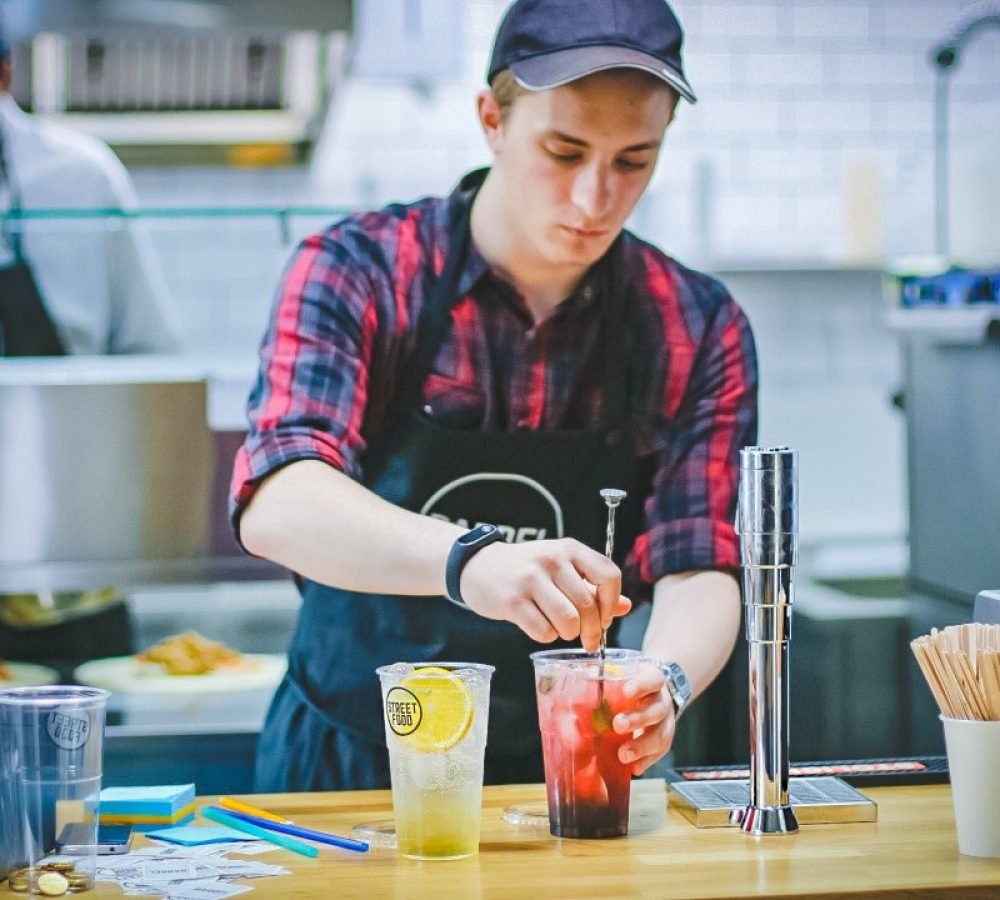
Saudi Arabia presents a dynamic and lucrative market for the food industry. With a growing population and rising disposable incomes, demand for diverse culinary options—from traditional Middle Eastern cuisine to international flavors—is increasing. Government initiatives to diversify the economy and attract foreign
investment further boost the sector’s growth. The food industry is projected to reach $57 billion by 2030, growing at an annual rate of 3%. Rising demand for
processed foods, dairy, and poultry, along with a surge in food exports expected to reach $10.9 billion by 2035, drives this expansion. Strategic investments, such as Almarai’s $1.2 billion poultry production expansion, highlight the Kingdom’s commitment to strengthening the food sector and generating thousands of new jobs.